
The Team

People Behind the Website

A doctor, a researcher, and a patient — united by one question: why does the mind and gut talk the way they do?

Our story

Why We Built This

Calming The Gut was born from lived experience, not just clinical interest. Each of us arrived here by a different route — through medicine, through research, through years of navigating IBS ourselves — and found that the conversation around gut-directed hypnotherapy was far too quiet.

This site is our attempt to change that: to bring together the evidence, the stories, and the human side of a treatment that genuinely works, but that too few people know about.

Portrait of Amrit

Researcher & Co-founder

Amrit

Some of my biggest lessons didn't come from textbooks or work — they came from navigating my own challenges. For years, IBS quietly rewired how I moved through the world, turning ordinary days into negotiations with my own gut. Sports, however, kept me anchored when little else did.

Somewhere in that search, hypnotherapy cracked open a door I didn't expect. Although not a cure-all, it offered a different language for a problem I'd only ever tried to out-think.

This page is where those threads meet: the professional, the athlete, the patient, and the curious mind still asking why the mind and gut talk the way they do. Whether you're here out of curiosity or looking for support, I hope you find something meaningful — and know you're always welcome to reach out.

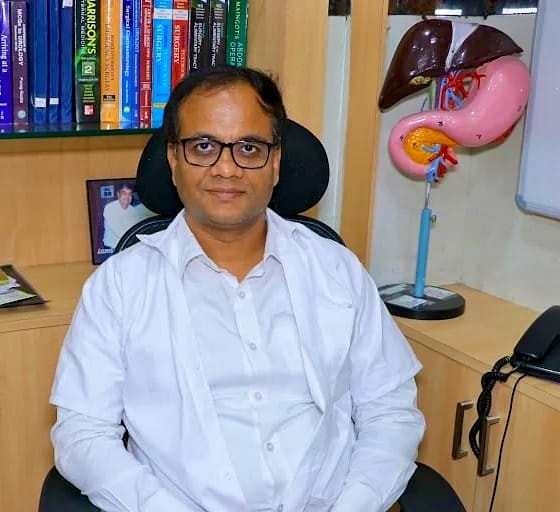
Portrait of Abhijit

Consultant Neurologist leading a specialist Functional Neurological Disorder (FND) service

Abhijit

I am a Consultant Neurologist at Lancashire Teaching Hospitals NHS Foundation Trust, where I lead the specialist Functional Neurological Disorder service, and an Honorary Associate Professor at the University of Lancashire. I am Honorary Secretary of the Hypnosis and Psychosomatic Section of the Royal Society of Medicine and a Specialty Advisor to the British Society of Clinical and Academic Hypnosis.https://www.lancashireneuroscience.co.uk/research-directory/abhijit-das

For more than two decades, I have been interested in the complex ways in which the brain influences bodily sensations, movement and symptoms. This led me to clinical hypnosis—an approach that can help people change how the brain interprets and responds to signals from the body. Although much of my clinical work has focused on FND, the same principles of attention, expectation and brain–body communication are highly relevant to the gut–brain axis and conditions such as irritable bowel syndrome (IBS). And I have successfully treated few people with IBS using hypnosis.

Despite strong evidence supporting its effectiveness in IBS, gut-directed hypnotherapy remains relatively unfamiliar and underused in India. One of the principal aims of Calming the Gut is therefore to make this evidence-based treatment better understood and more accessible in the Indian context—helping patients and healthcare professionals see hypnosis not as something mysterious, but as a practical clinical intervention that can improve symptom control, confidence and quality of life.

Portrait of Moin

Clinical Advisor

Moin

I am an Associate Professor at the Institute of Post-Graduate Medical Education and Research and SSKM Hospital, Kolkata, and a medical gastroenterologist with extensive clinical experience in gastroenterology and liver disease. My principal academic and research interests include viral hepatitis, cirrhosis and liver failure. I have received academic distinctions for my work and have published research in national and international peer-reviewed journals. Through Calming the Gut, I hope to help people better understand irritable bowel syndrome as a genuine disorder of gut–brain interaction and to improve awareness of the full range of evidence-based treatments available. Despite its established efficacy in IBS, gut-directed hypnotherapy remains relatively unfamiliar and underused in India. An important aim of this website is to provide patients and healthcare professionals with reliable, accessible information about this treatment and its appropriate place alongside conventional gastroenterological care.

Have Questions or Want to Share Your Story?

We'd love to hear from you — whether you're a patient, a clinician, or just curious.